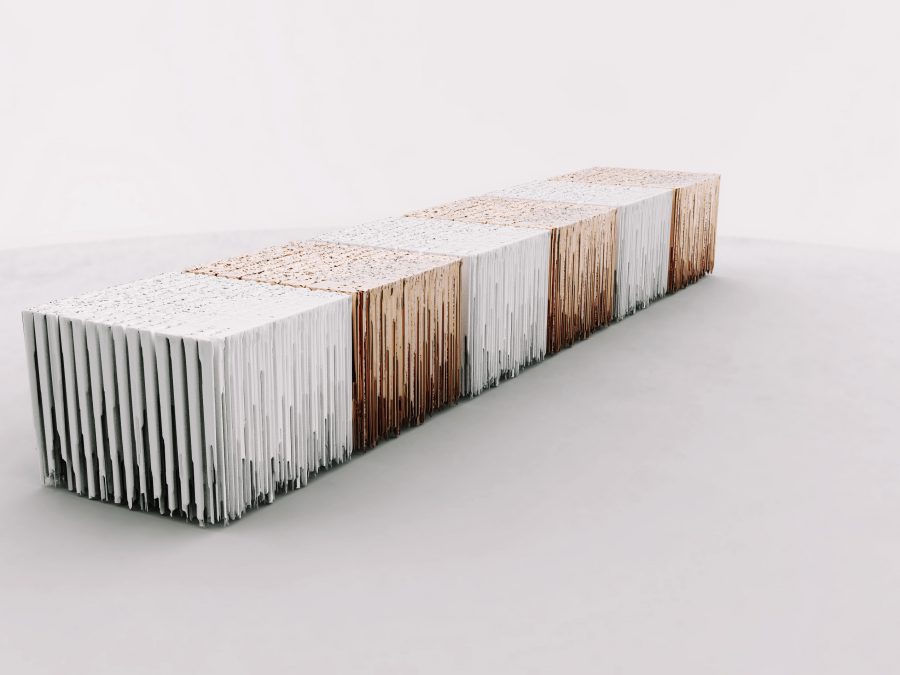
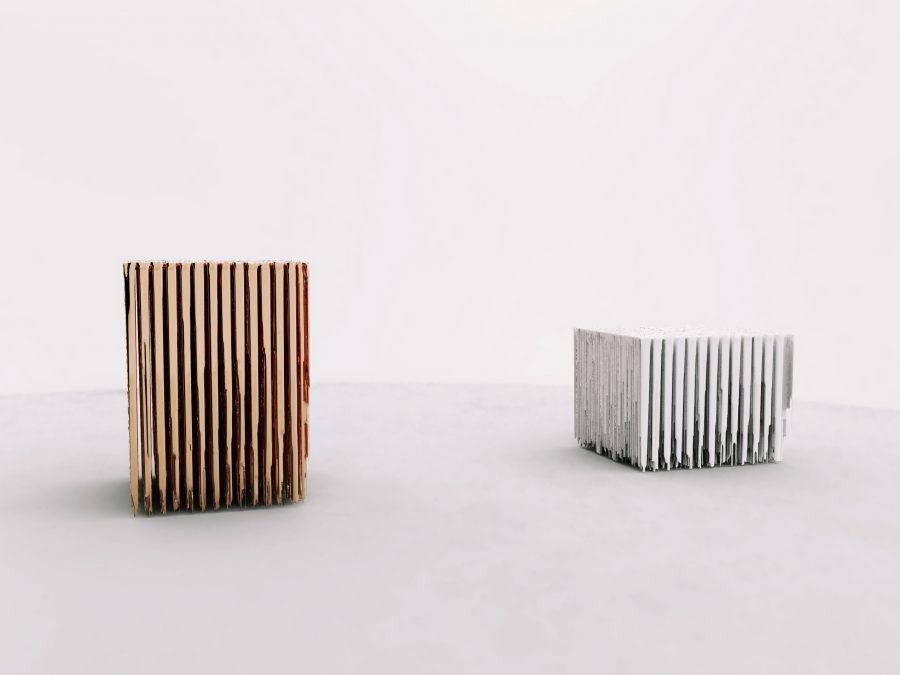
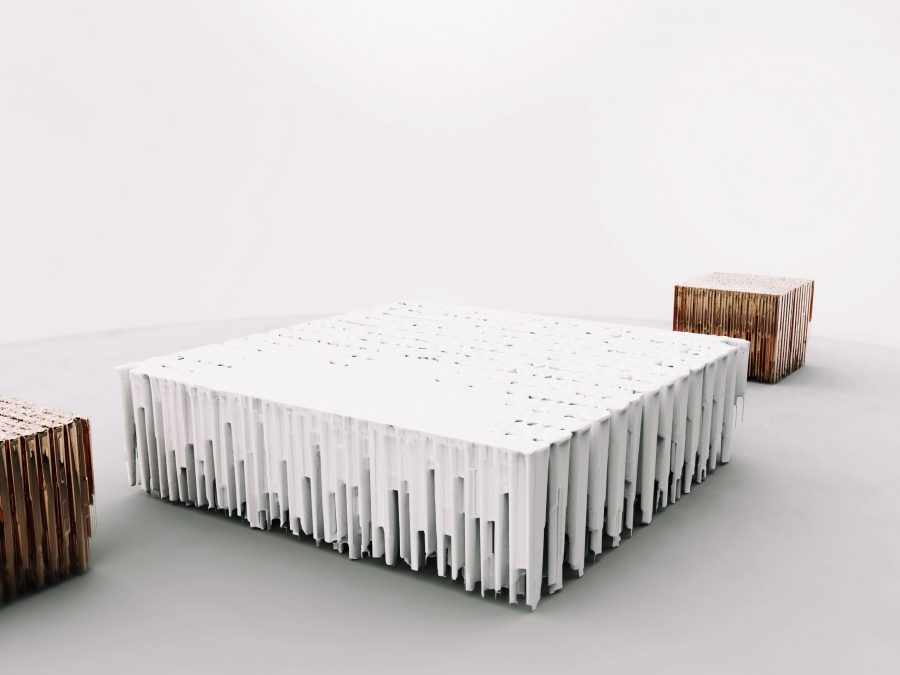
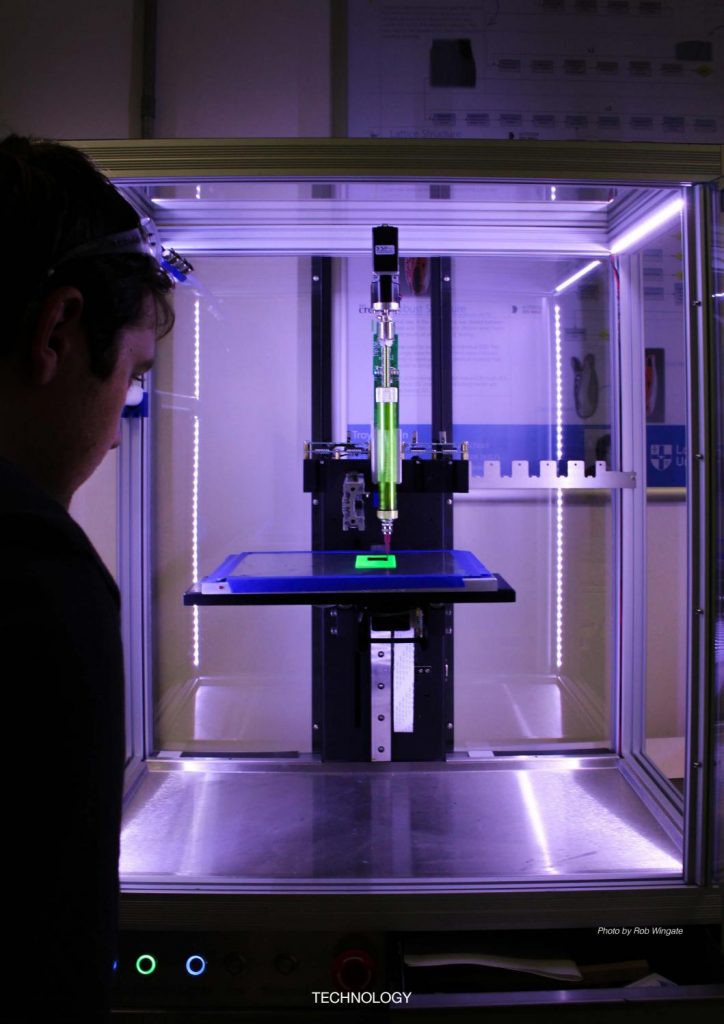
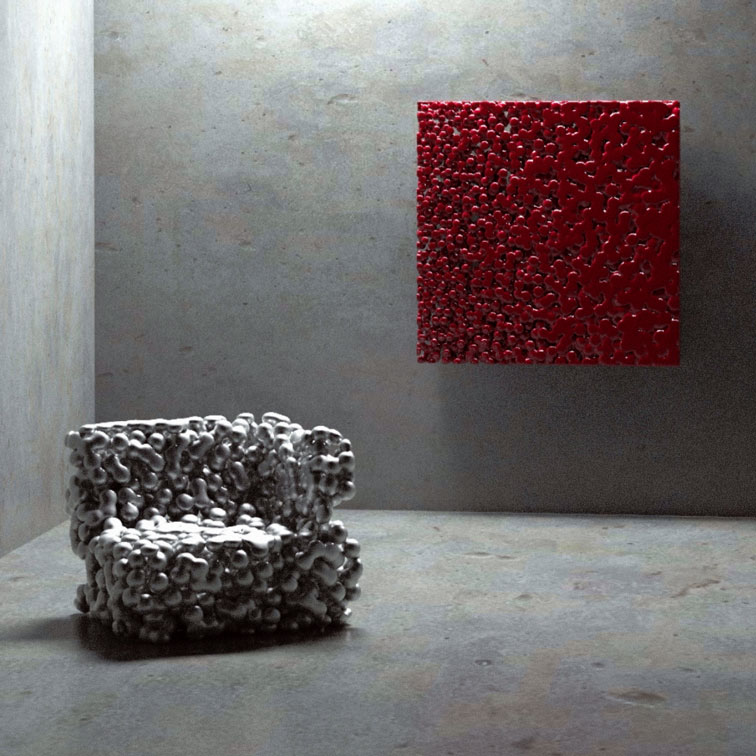
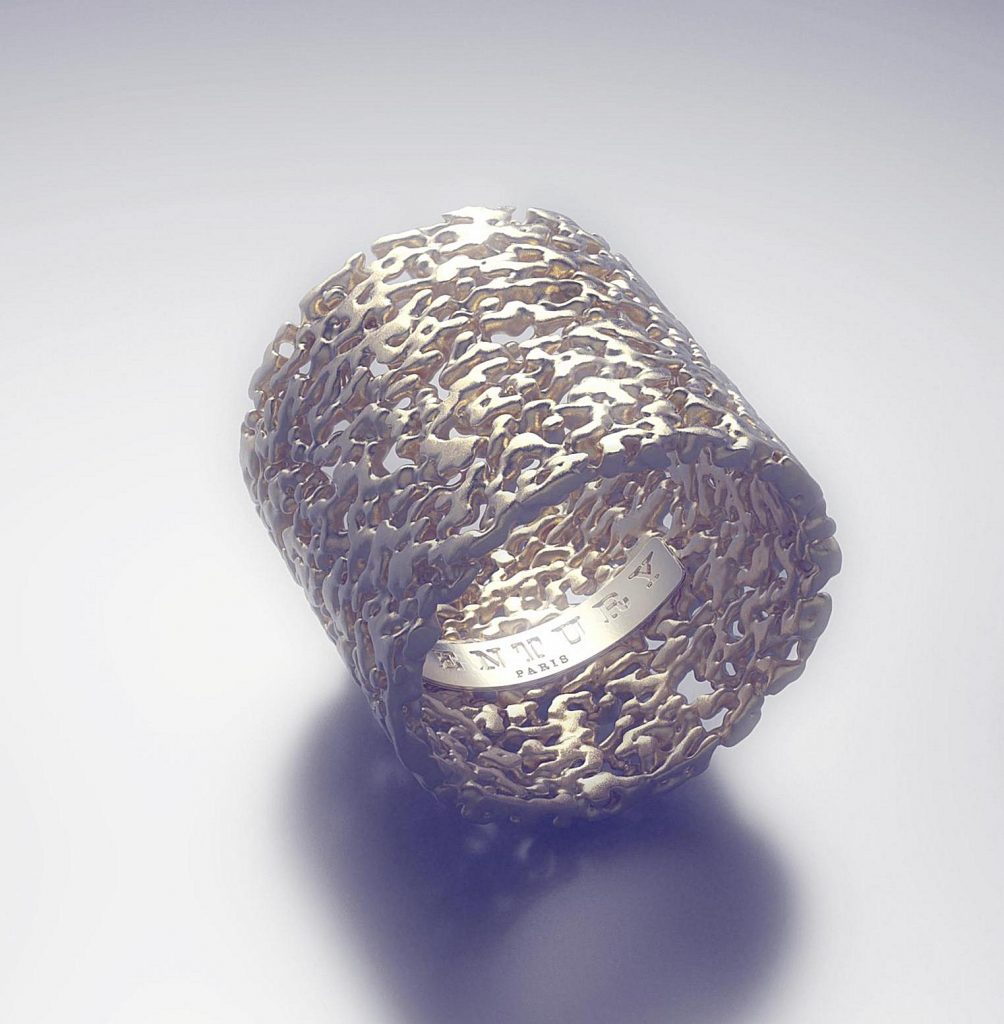
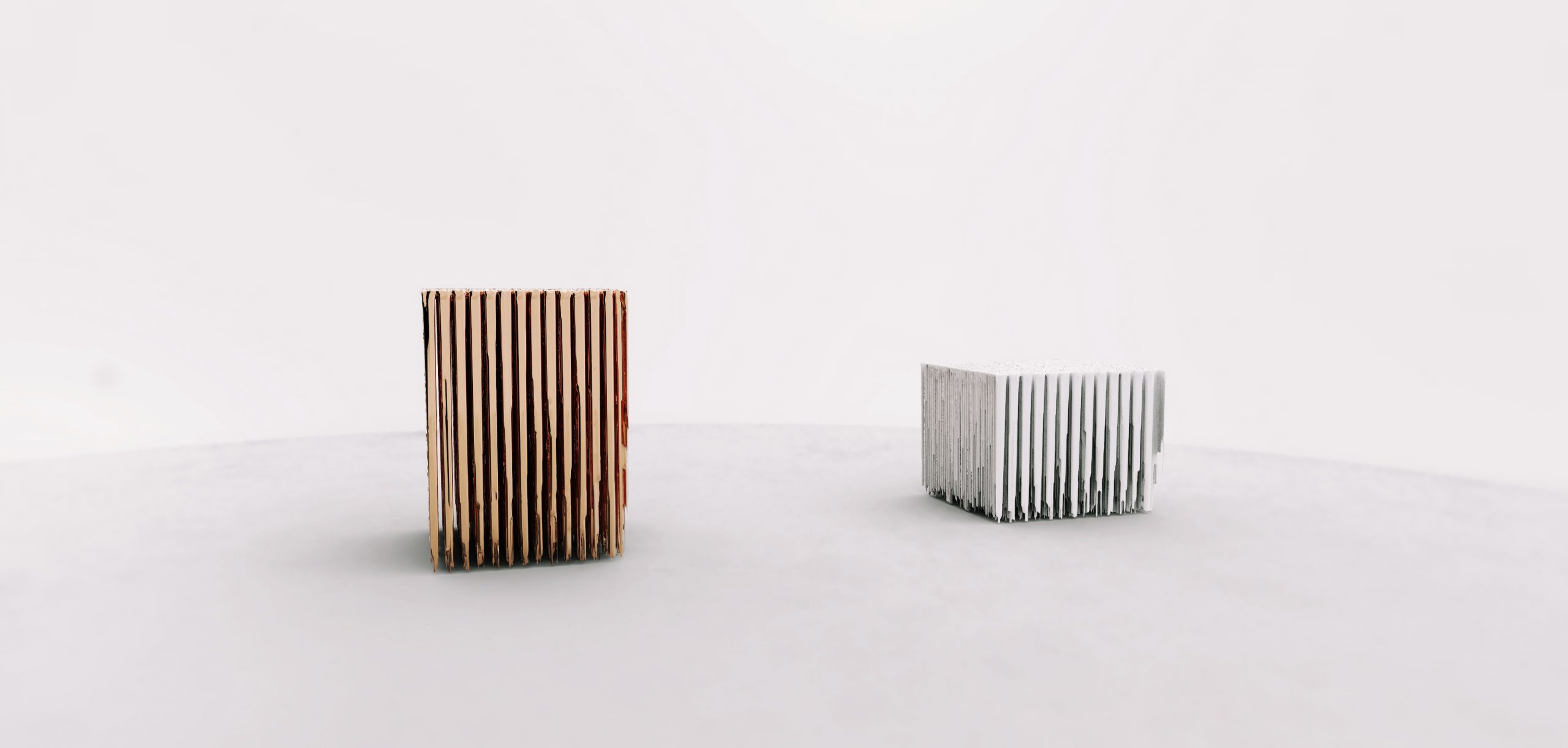
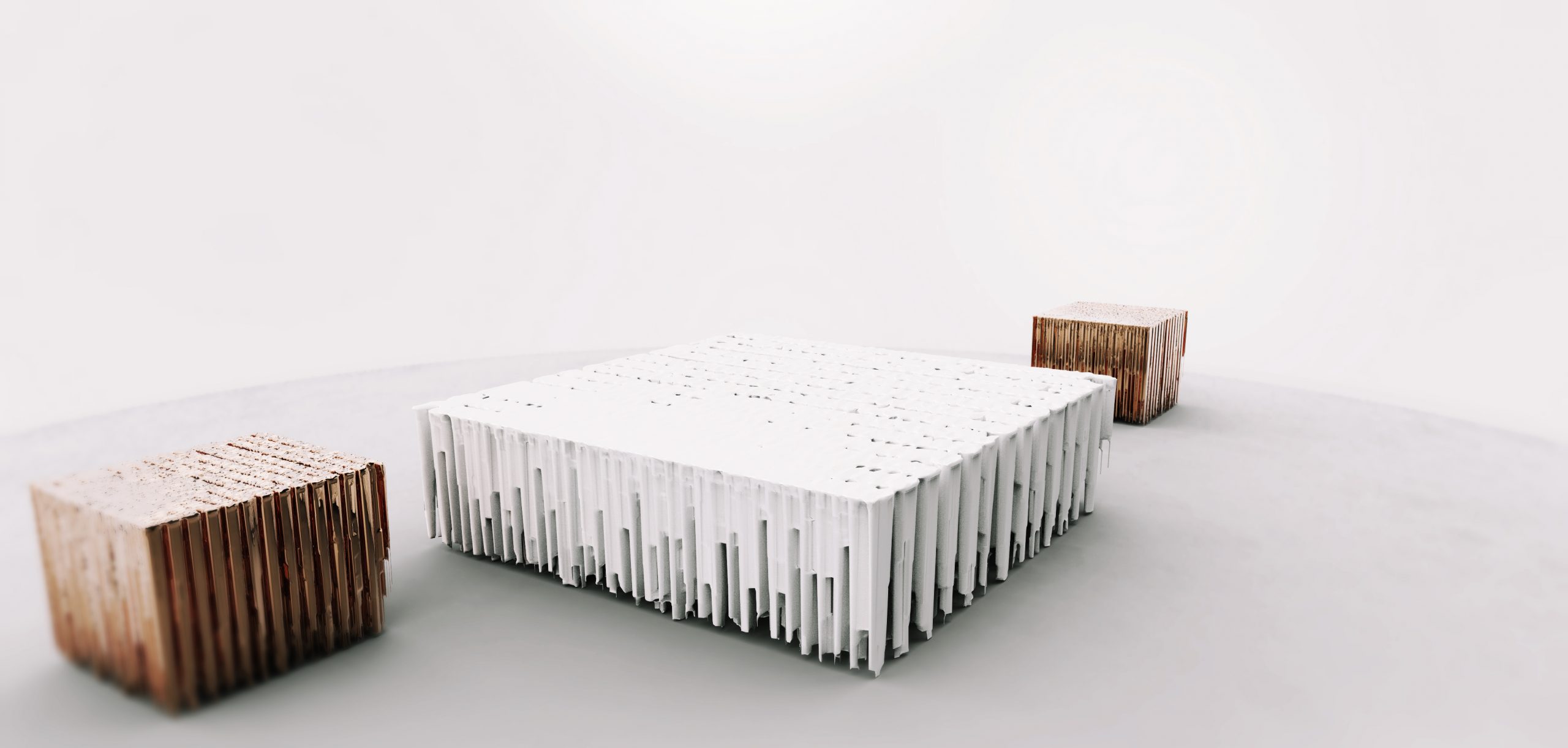
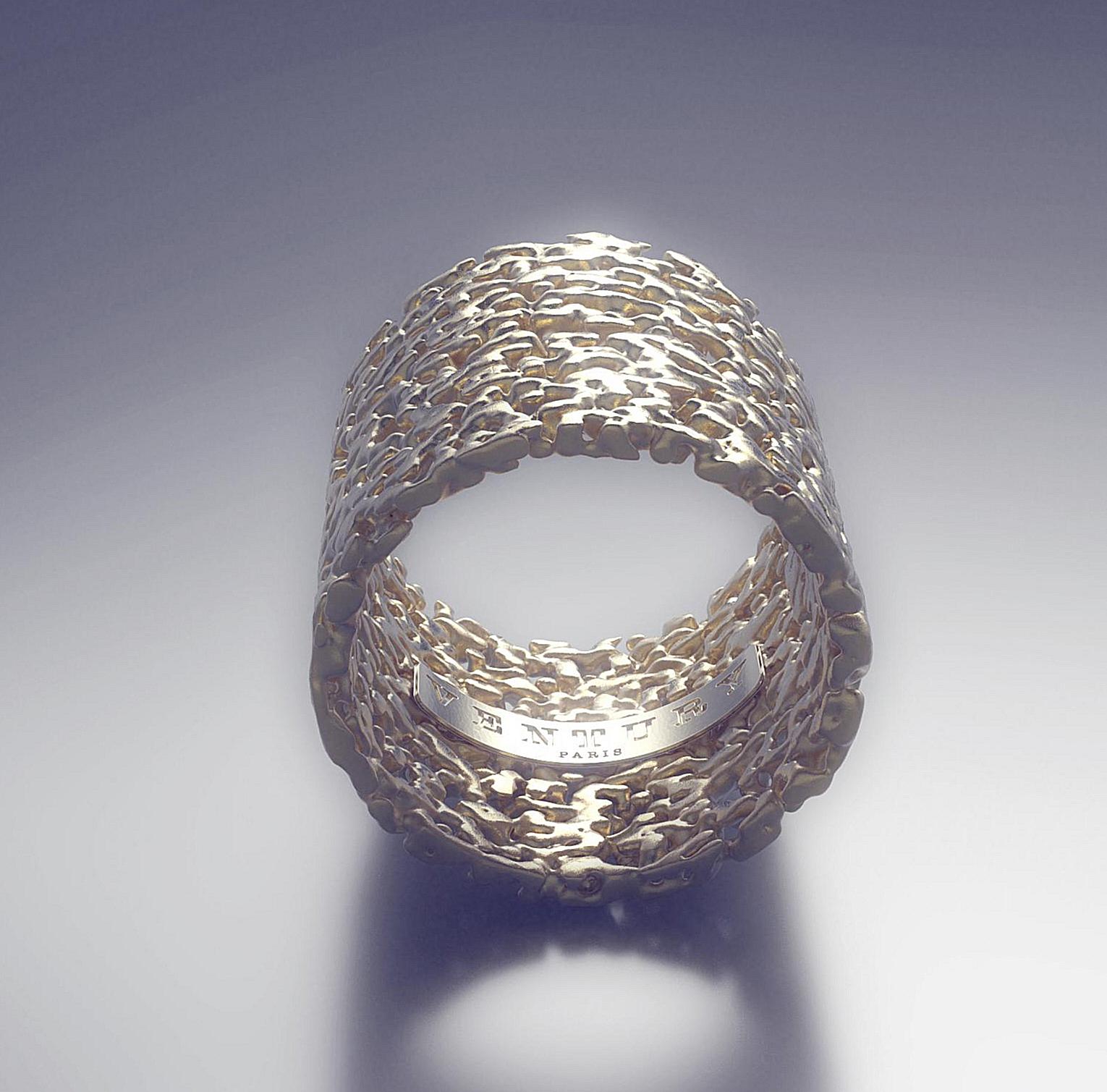
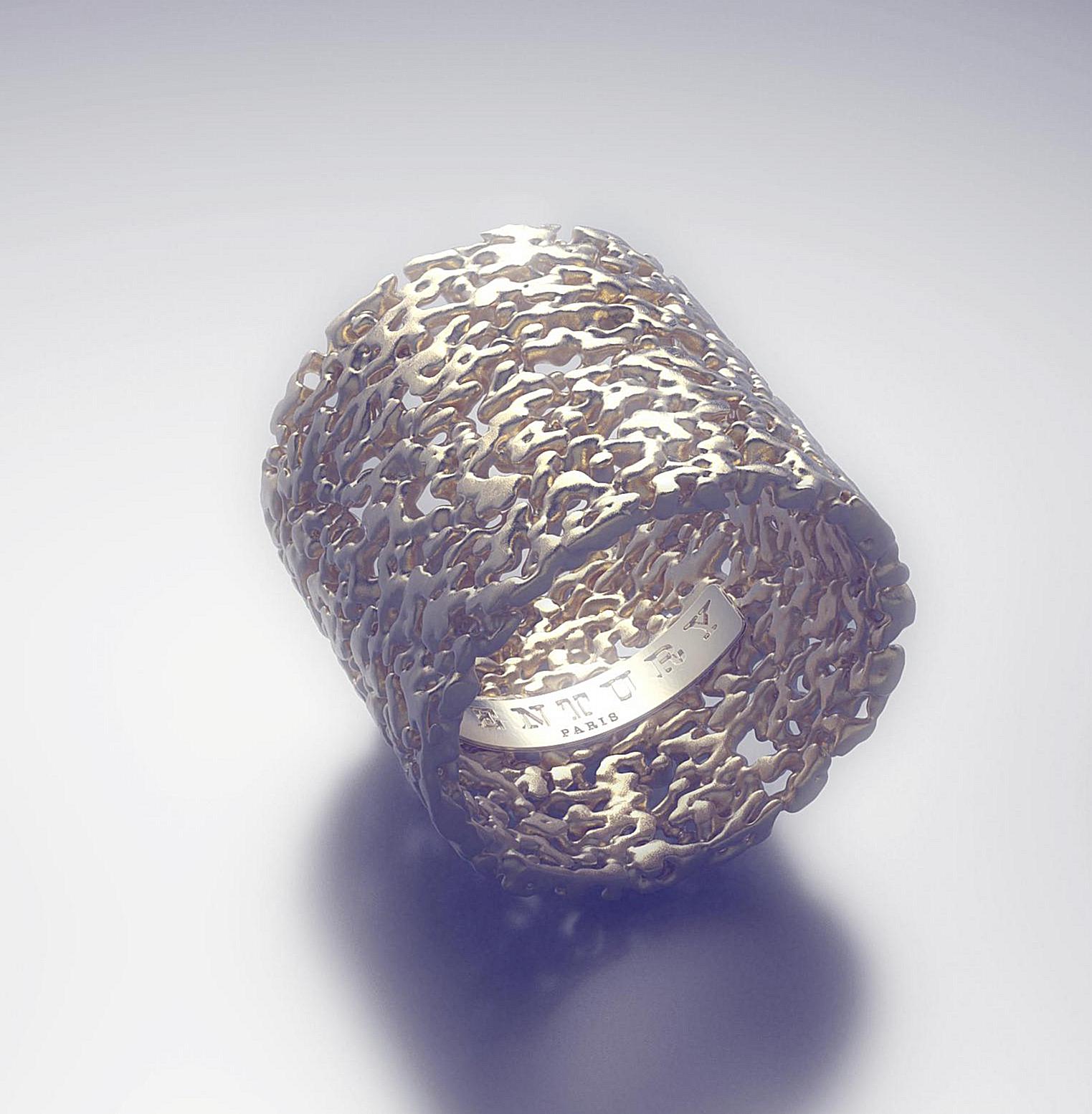
Ventury Co_Lab is the research laboratory of global design company Ventury, which develops in-house design methods for the use of computer technologies in the conception, manufacture and assembly of art, technology, design and communication related products. Through this multi-disciplinary approach, the Lab, under the artistic direction of Emmanuel Touraine, explores material development, new processes and 3D printing oriented research, while focusing on exploring the unique technological potential to create contemporary designs that reflect the times, and constantly push the boundaries of experimental design. Ventury is now ready to contribute, through decentralisation and outsourcing, to sustainable development and ecological transition.
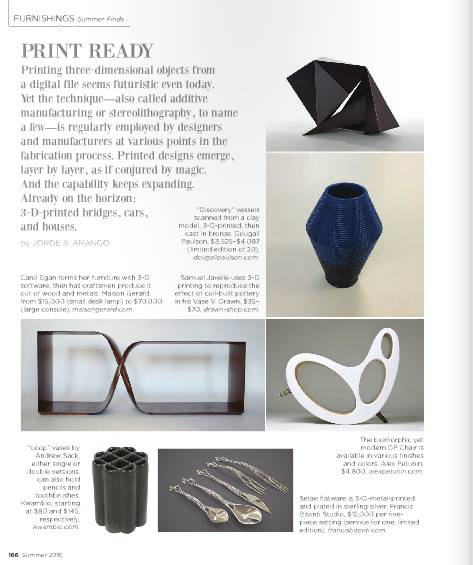
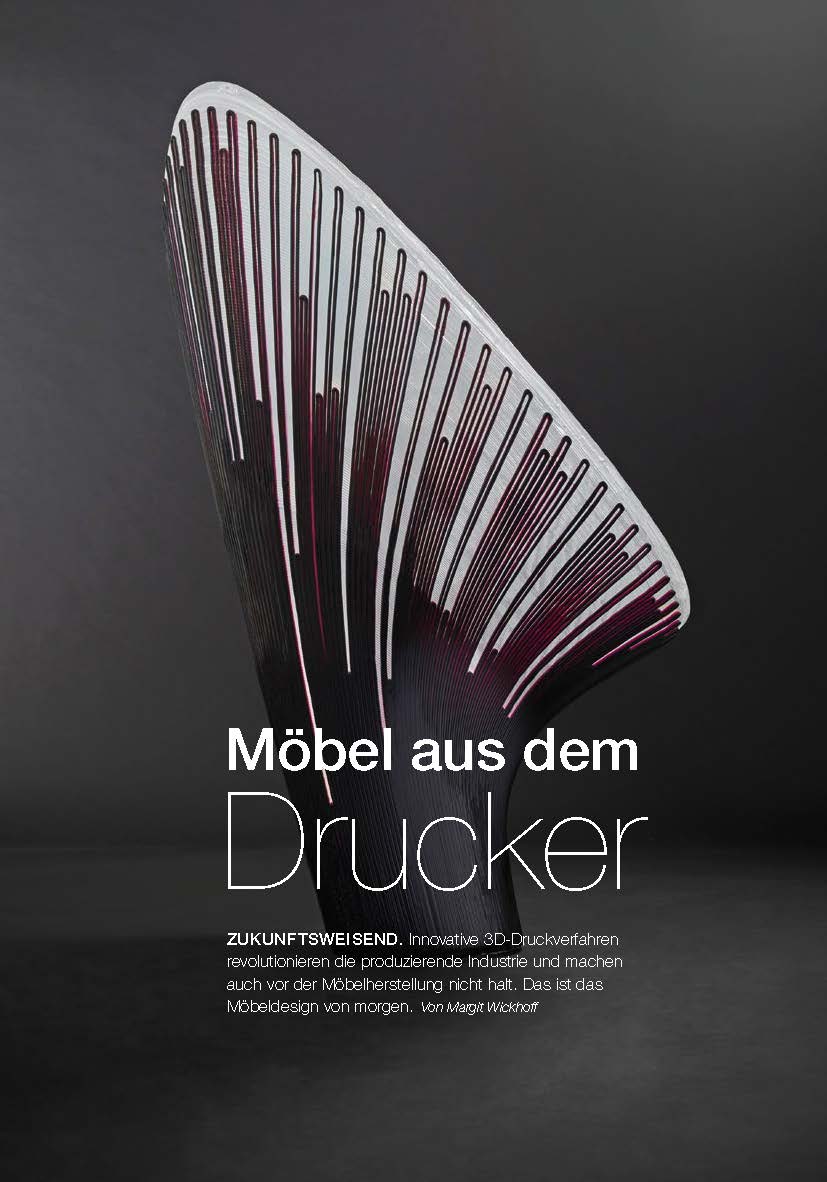
Article on 3D printed furniture using additive manufacturing technology based on the work of designers Zaha Hadid, Ross Lovegrove and Emmanuel Touraine (Ventury).
Take the designs of French studio Ventury, who create beautiful sculptural designs that are best described as part architecture, part furniture. These refined, sleek pieces are much more forward-thinking then what we’re seeing currently. They may not be as practical as they are beautiful but as 3D printing becomes more acccessible and affordable we will start to see it creep further into the home.
To move the additive manufacturing sector forward, we must constantly innovate in the search for materials and possibilities. Ventury is strongly focused on the research of materiality and its applications in the art and luxury sector. It is within the framework of this innovation strategy that Emmanuel Touraine regularly designs projects for the design-art market in the form of prototypes or ultra limited series.
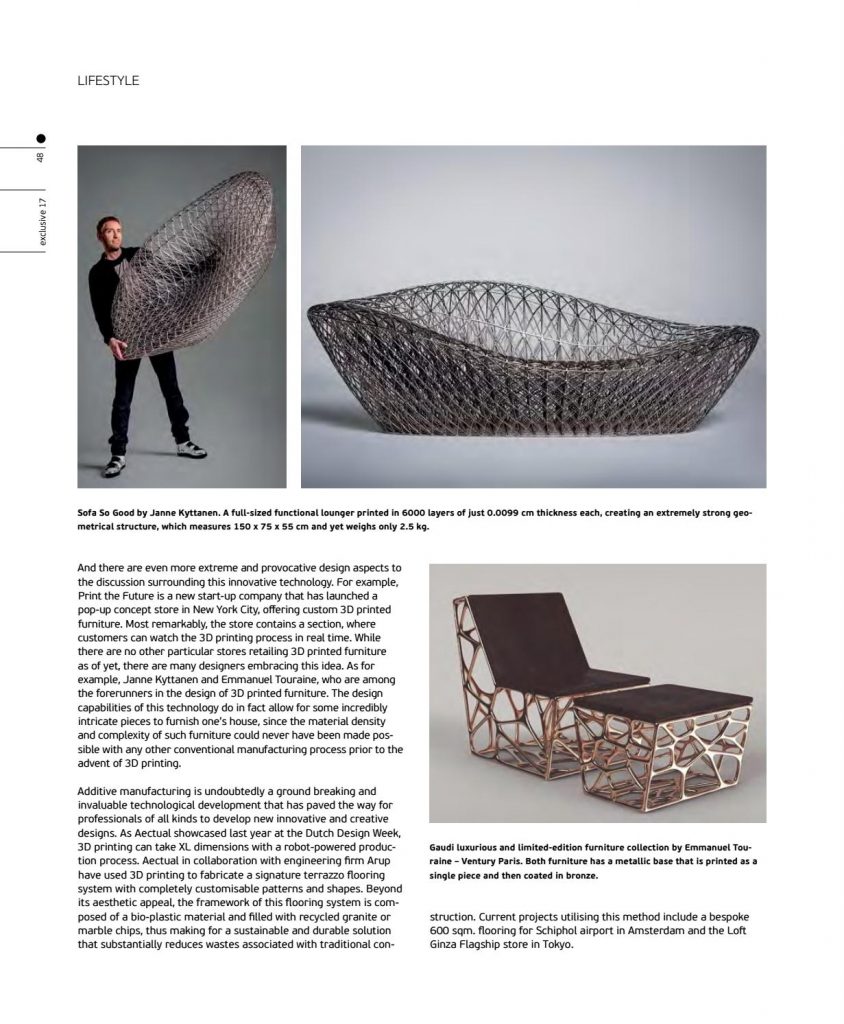
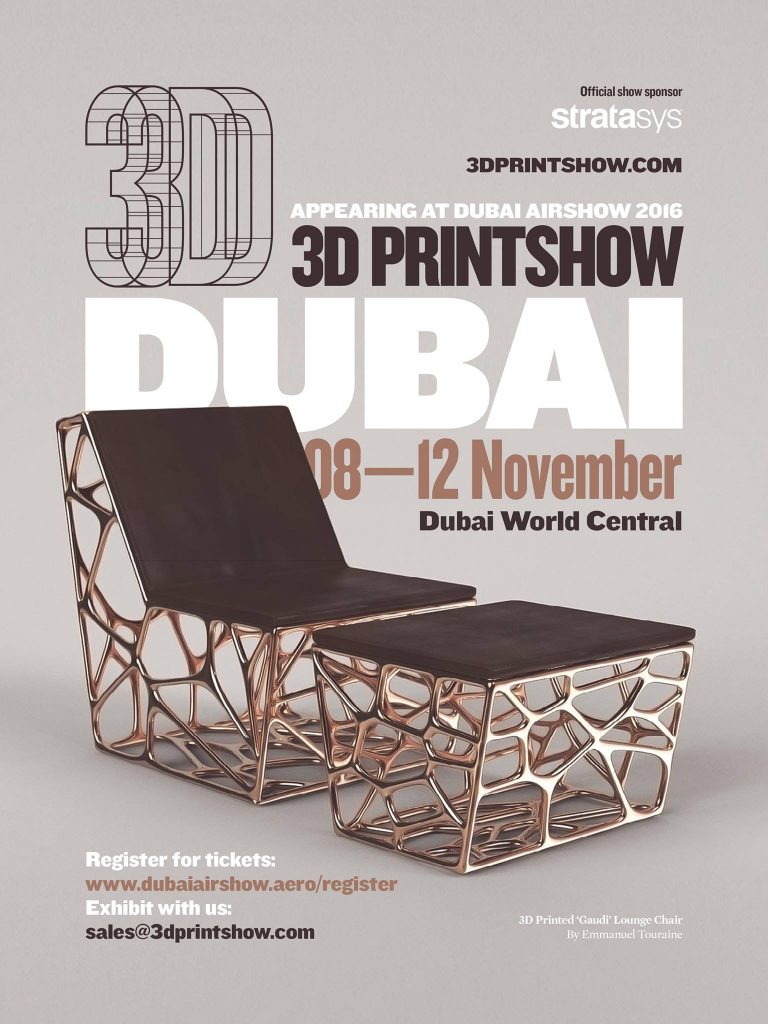
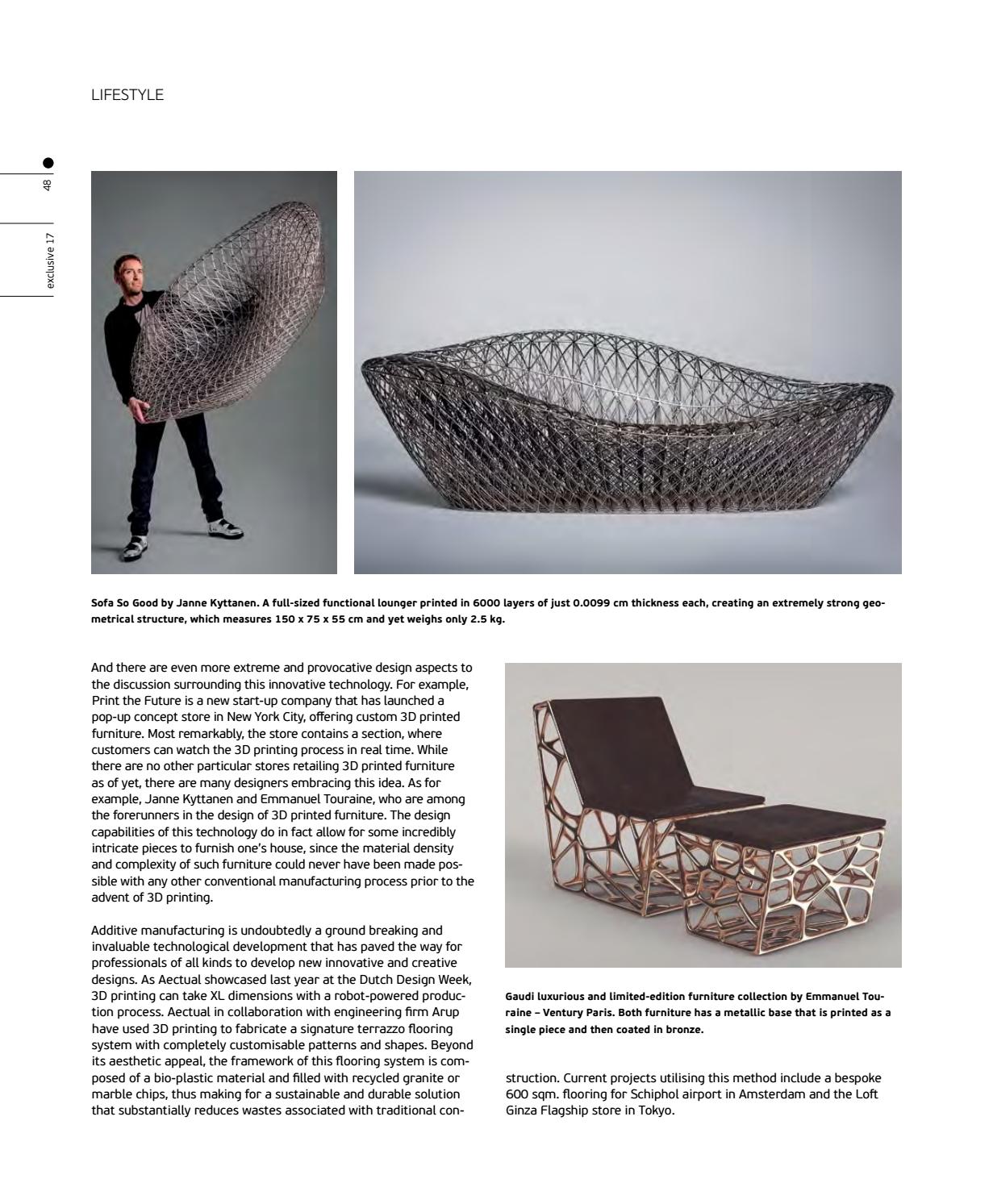
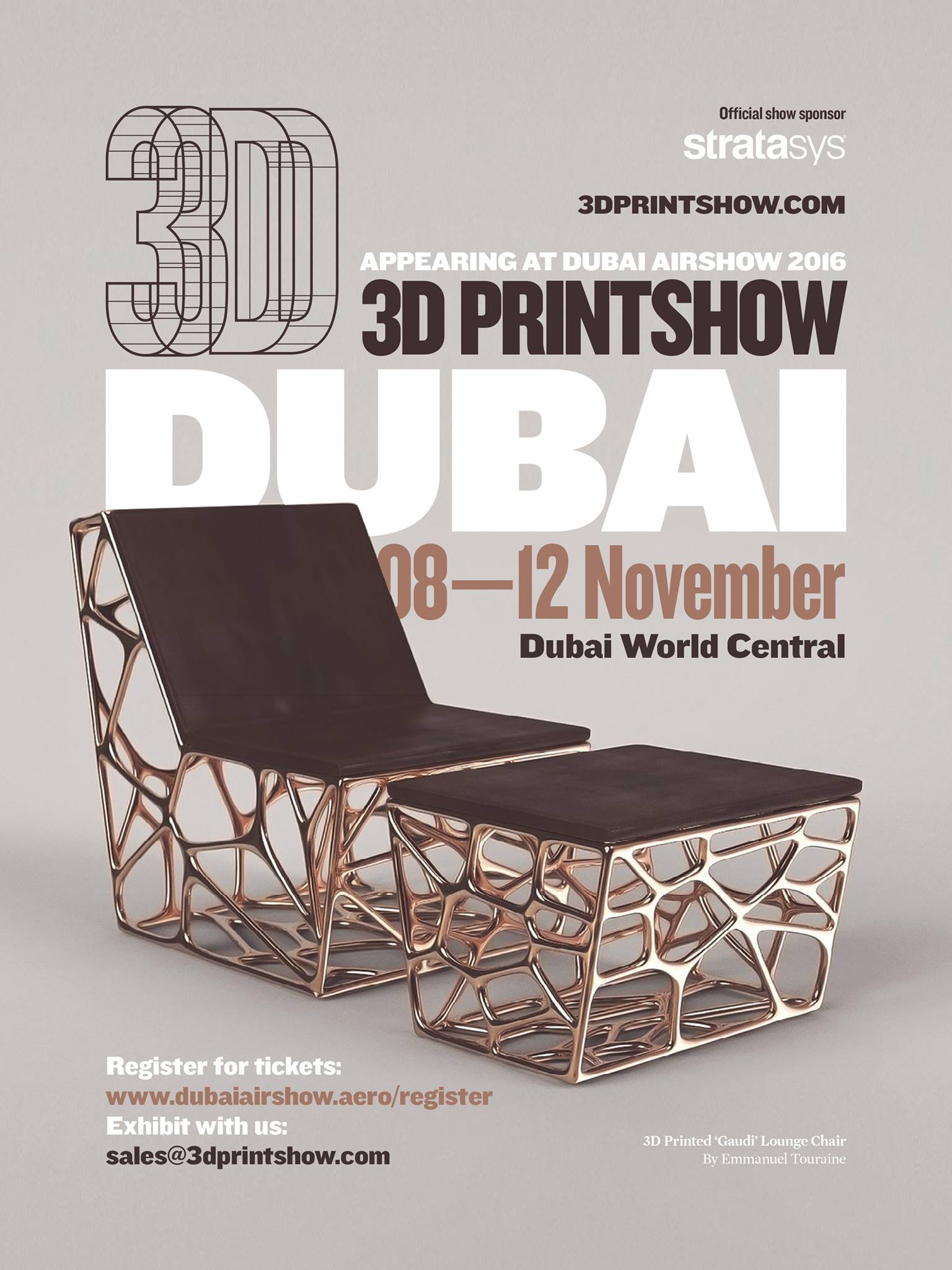
Article on 3D printed furniture, presenting the Gaudi bronze chair by Ventury, made in four main steps: Printing sand molds, casting the parts, assembly and the finishes. Its design is an organic pattern inspired by nature.
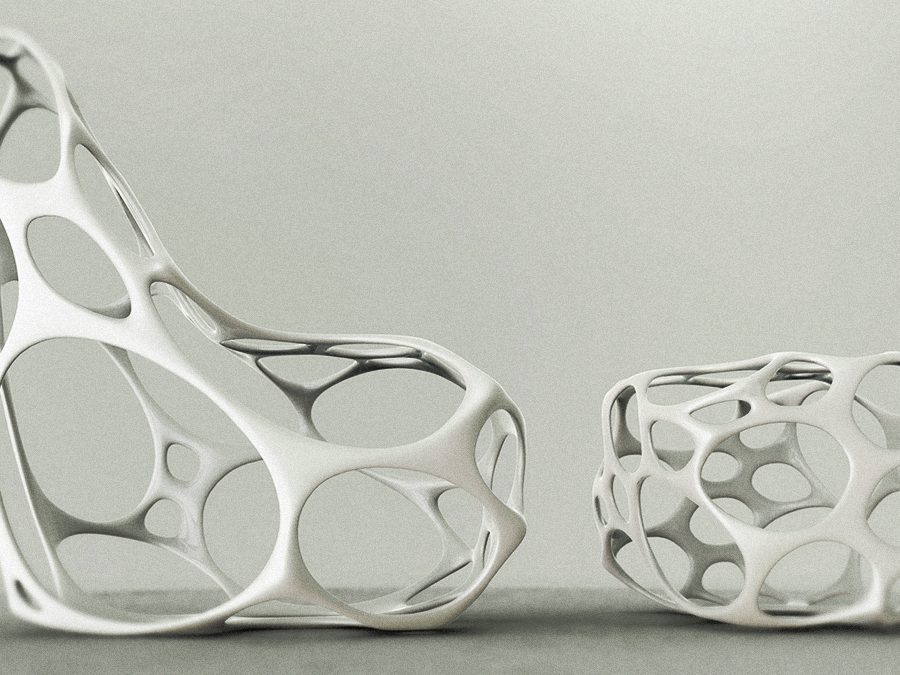
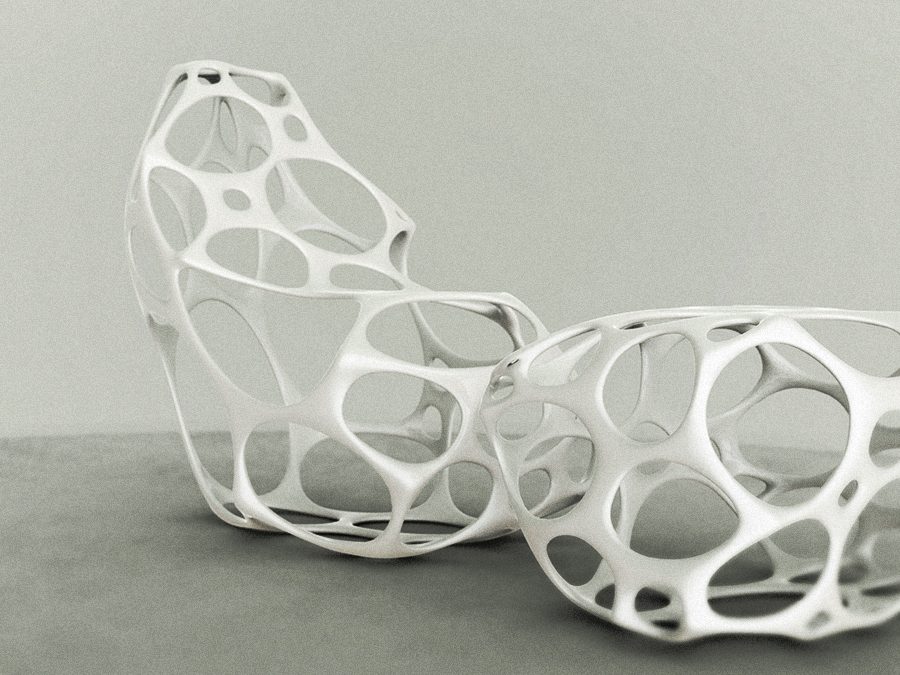
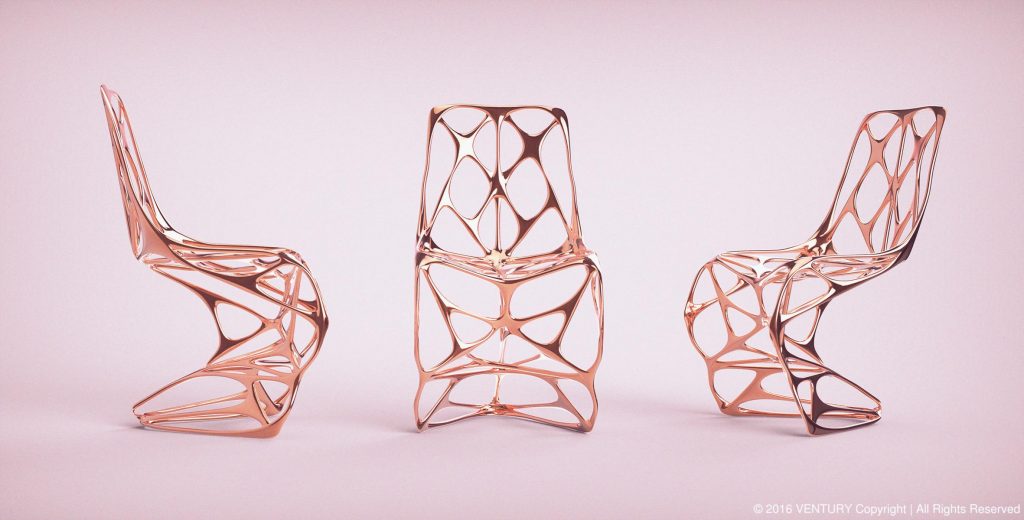
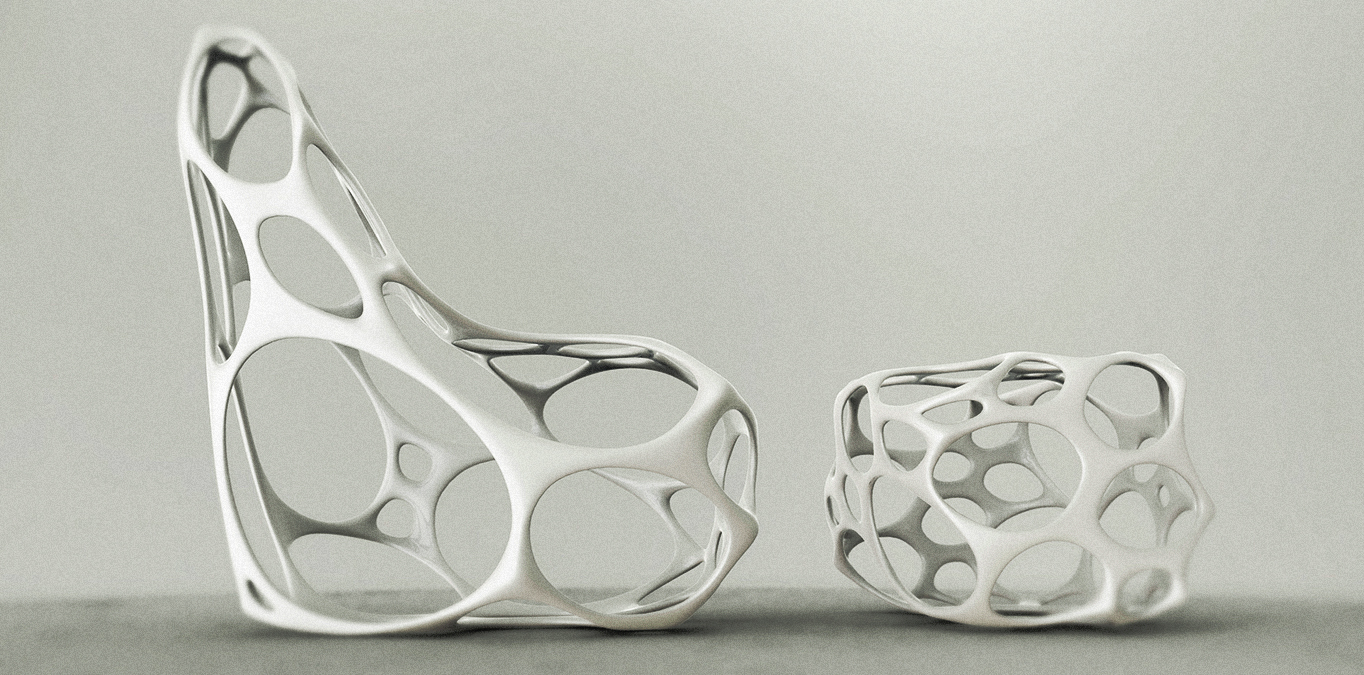
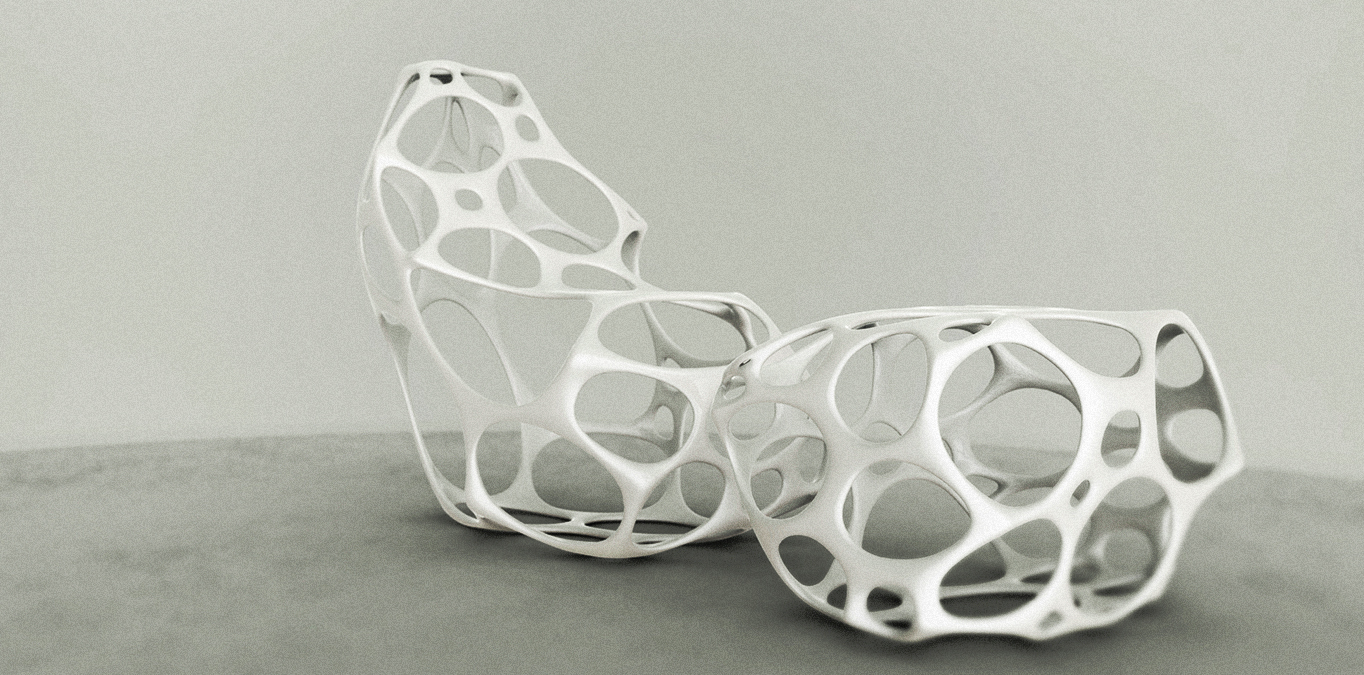
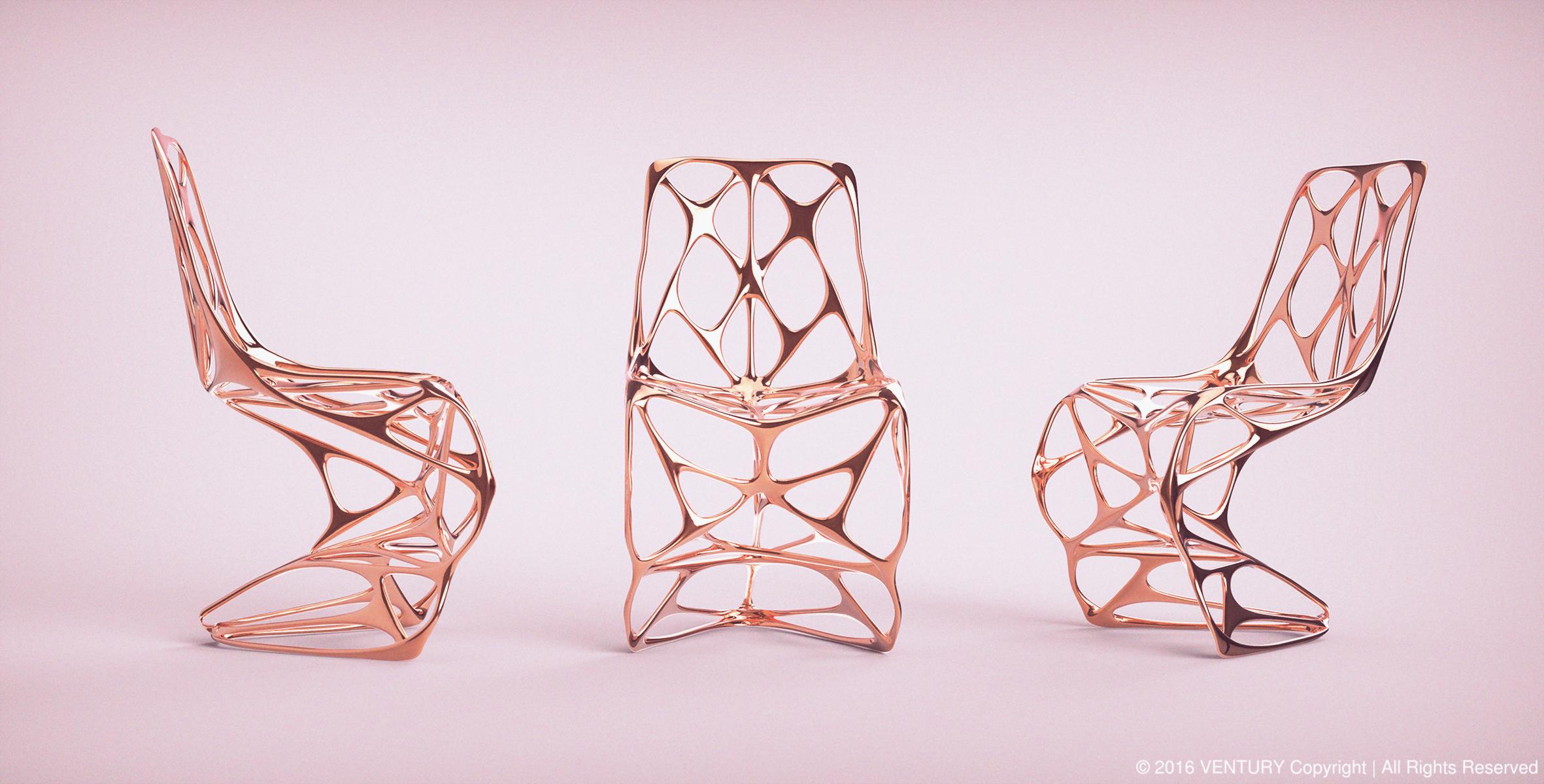
As part of his research into parametric design, Emmanuel Touraine paid tribute to Verner Panton by reinterpreting his iconic Panton chair, leaving only its skeleton visible
3D printing can be used to design intricate furniture that clumsy machinery is incapable of creating. France-based design company Ventury are shaking up the interior design industry with their stunning creations. From lamps to bar stools, Ventury’s pieces are all incredibly detailed and are made all the more impressive given the revolutionary way in which the furniture has been crafted.
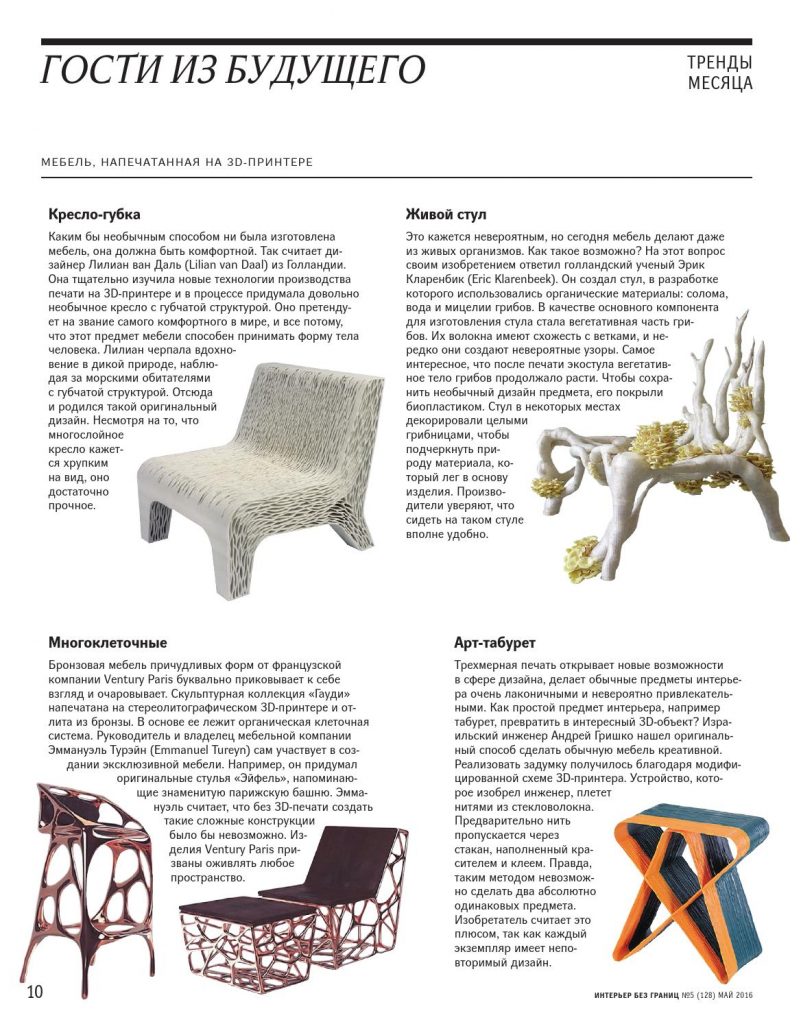
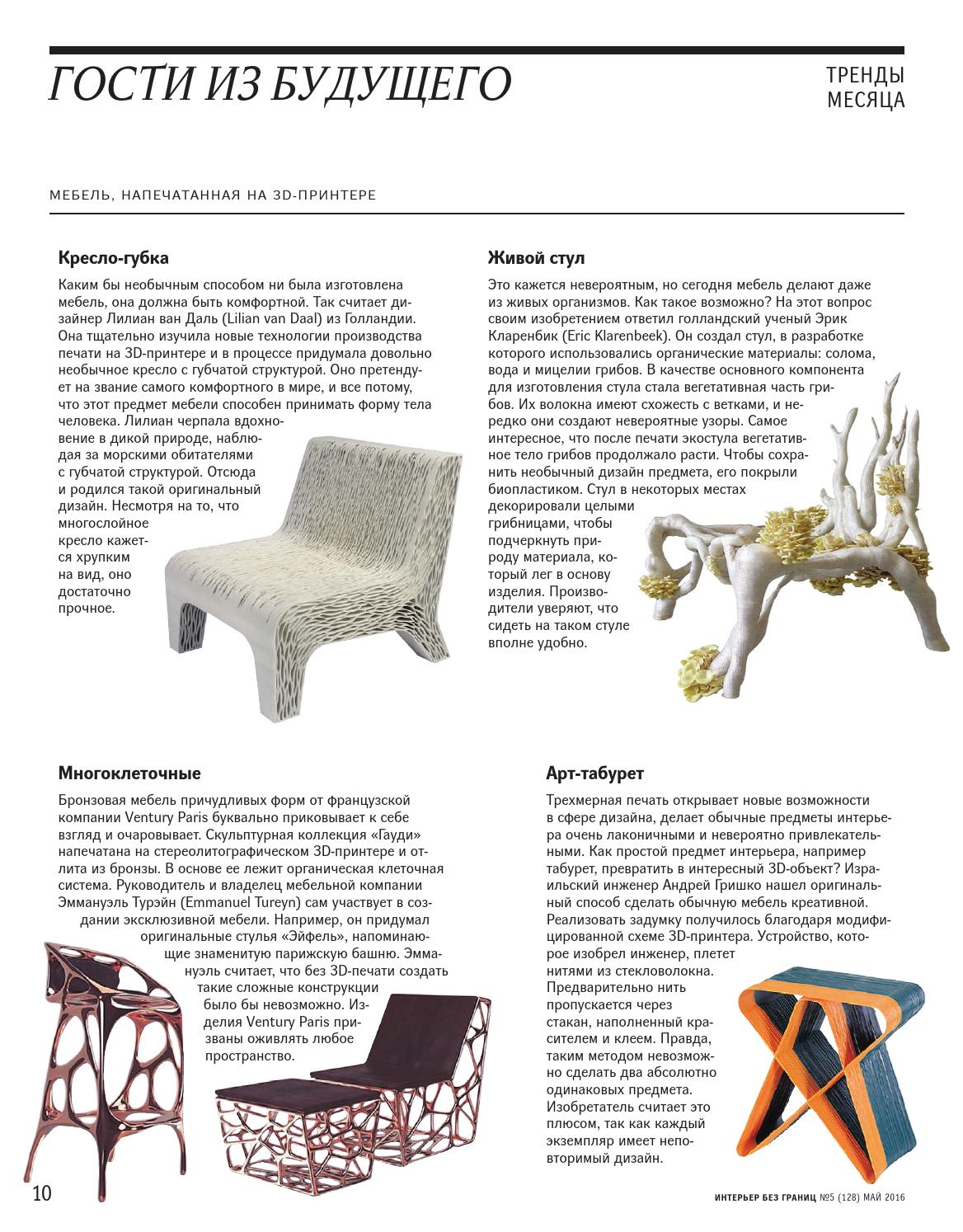
Технология 3D-печати набирает все большую популярность в разных сферах нашей жизни, и мебель не стала исключением. В последнее время все больше художников и дизайнеров берут ее на вооружение и создают настоящие шедевры. Французская мебельная компания Ventury Paris тоже решила не оставаться в стороне.
Meubels zijn niet de meest voor de hand liggende objecten als het gaat om wat de gemiddelde lezer zich voorstelt bij 3D-geprint. Maar dat is niet terecht, want meubels zijn juist bij uitstek geschikt voor 3D-printing en andersom. De ontwerpmogelijkheden en vormvrijheid die inherent zijn aan deze technologie maken het juist mogelijk om ongelooflijk ingewikkelde en geraffineerde objecten te maken voor in je huis. Voorlopig nog wel alleen als je genoeg geld hebt...
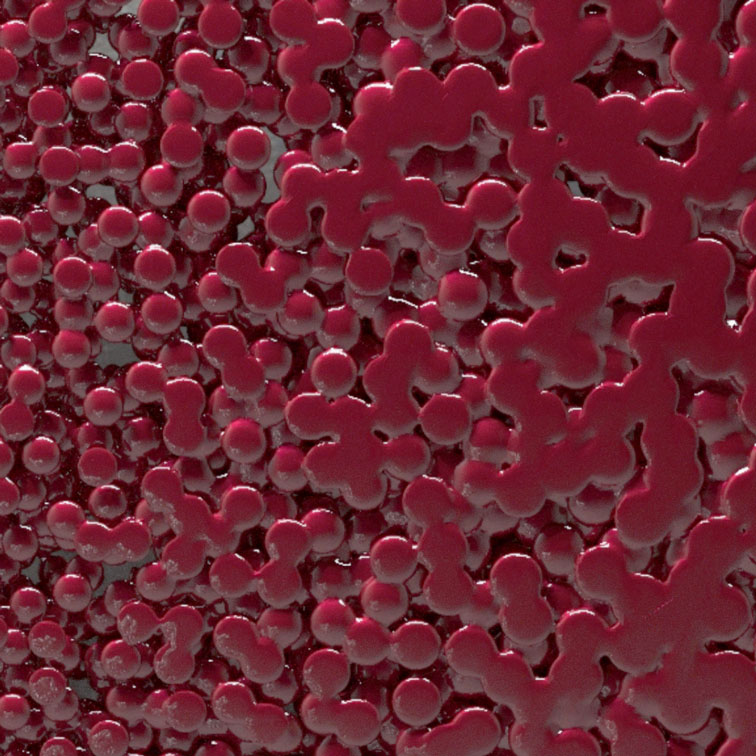
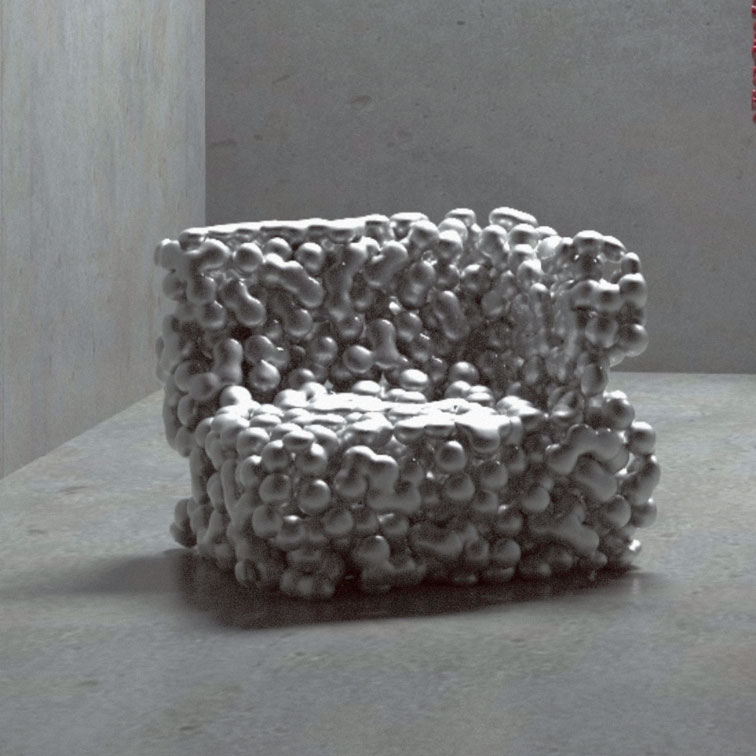
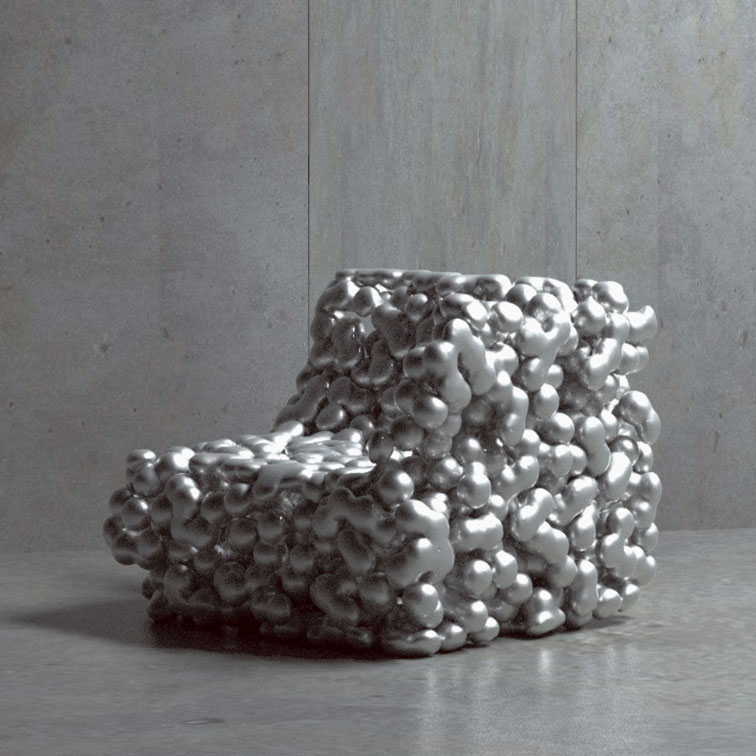
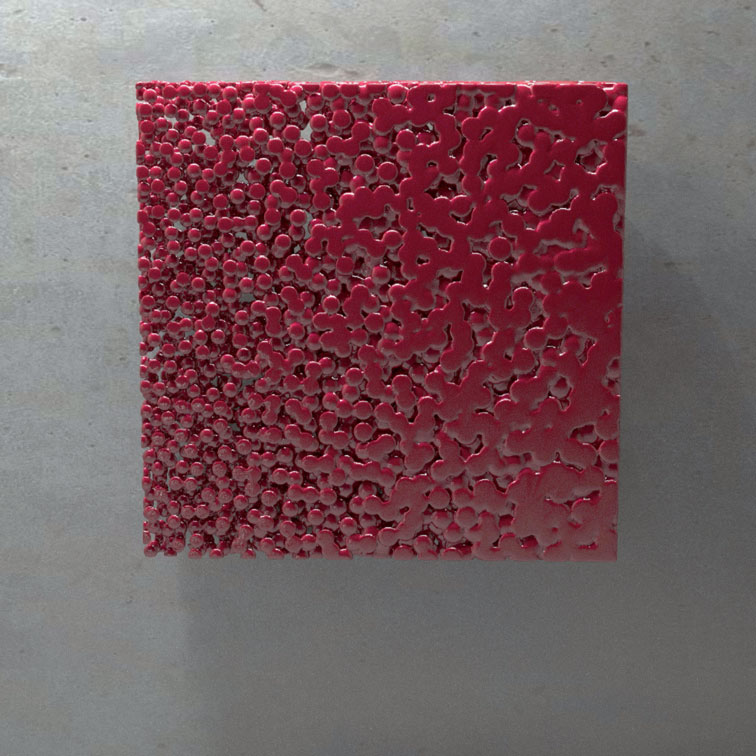
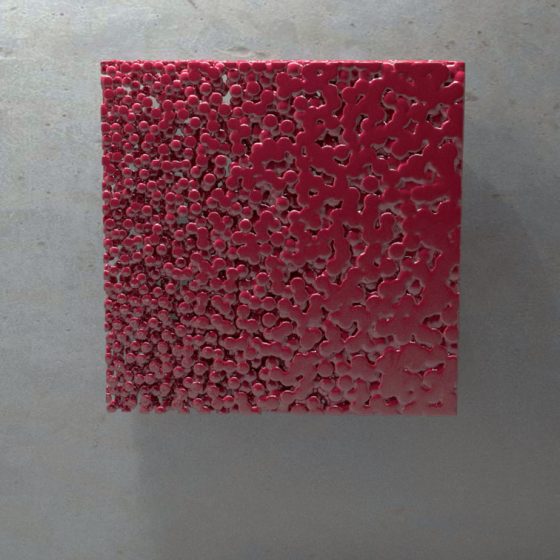
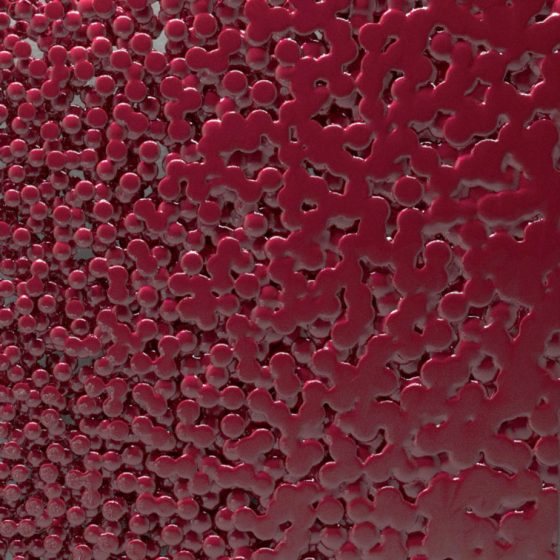
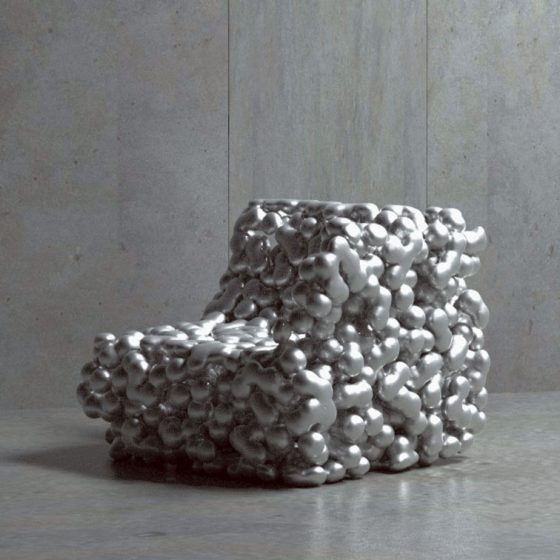
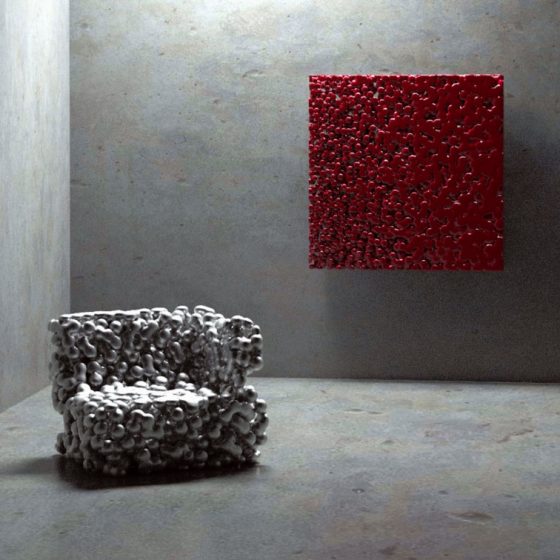
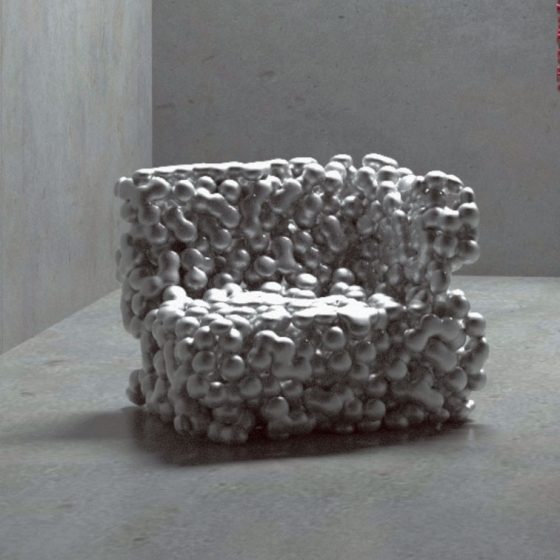
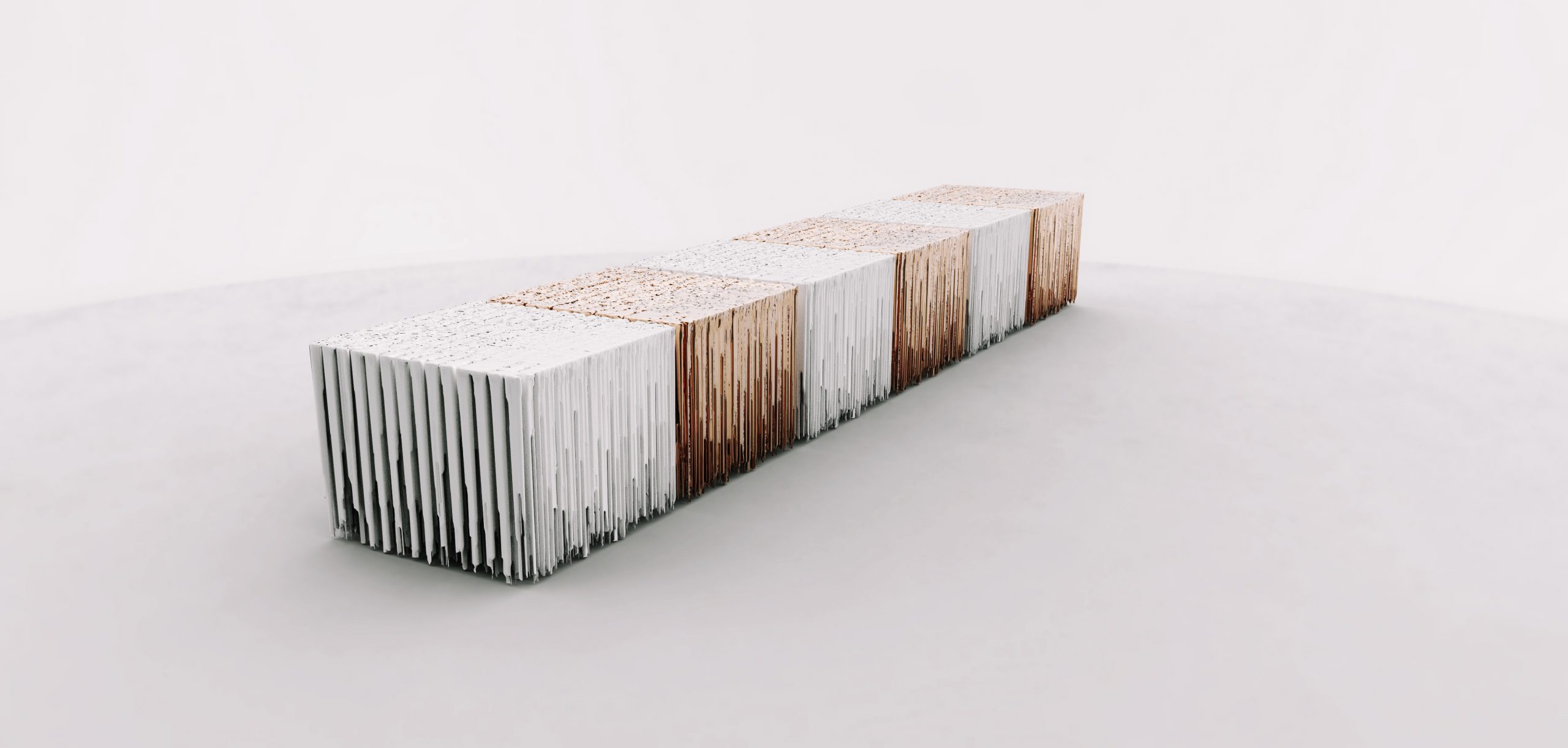
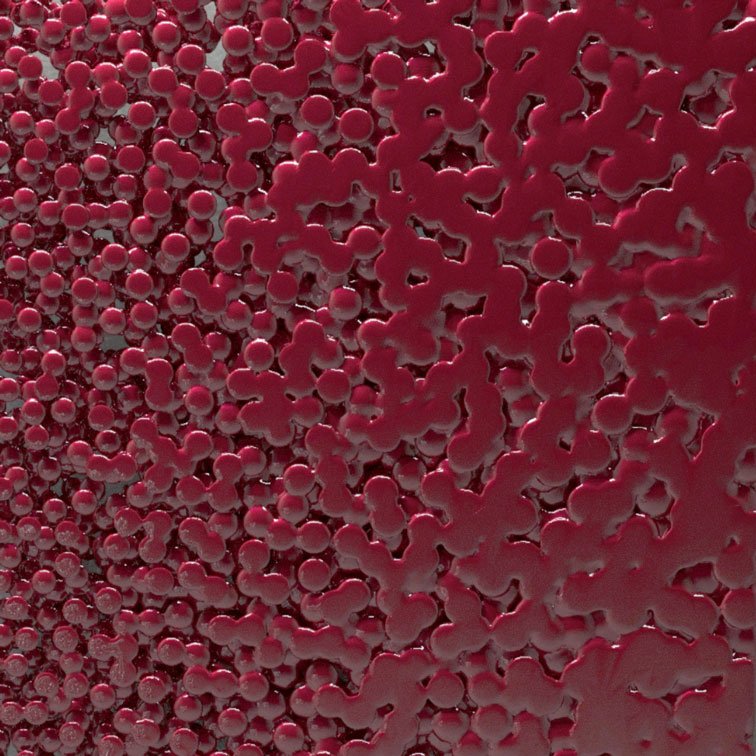
At Ventury we are constantly researching what new technologies can bring to the world of art and design. Here is an example of what a generative algorithm can accomplish on a chair or a wall sculpture - "Disorder" series by Emmanuel Touraine
Additive and Subtractive Manufacturing: Emergent Technologies
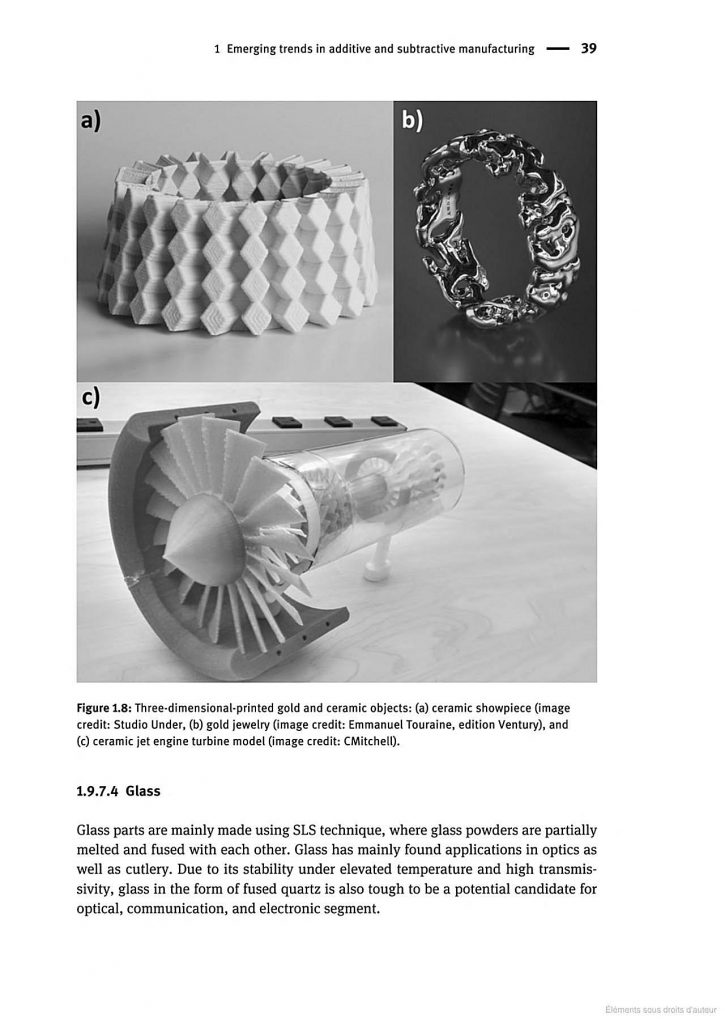
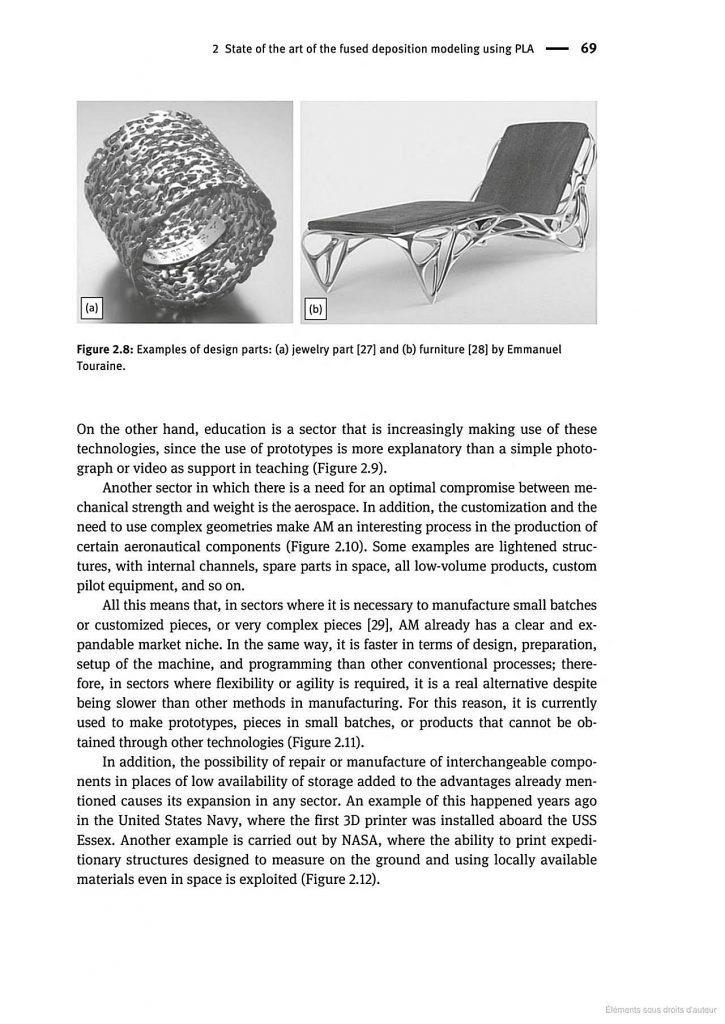
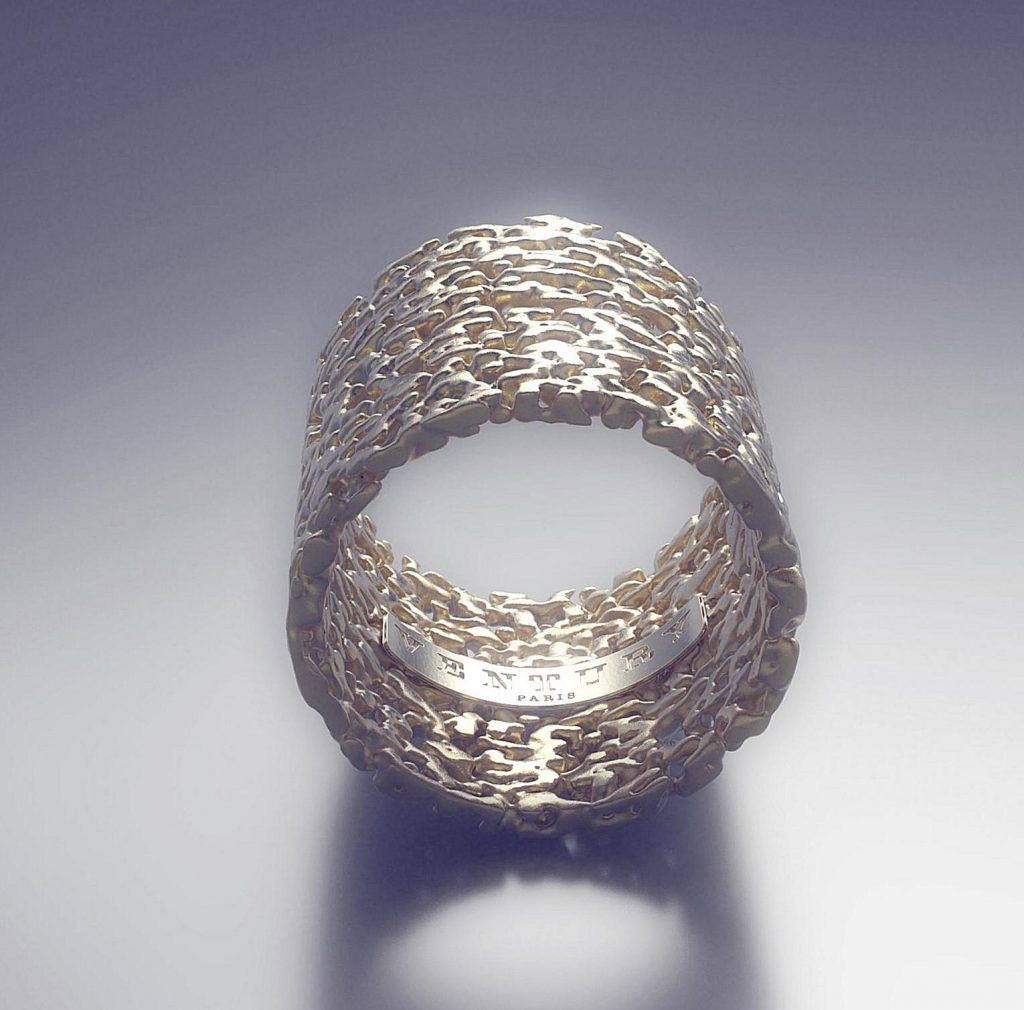
An excellent book by J. Paulo Davim on additive and subtractive manufacturing as emerging technologies highlights the work of Emmanuel Touraine for Ventury to illustrate what can be achieved in jewellery and furniture using 3D printing to make moulds for casting
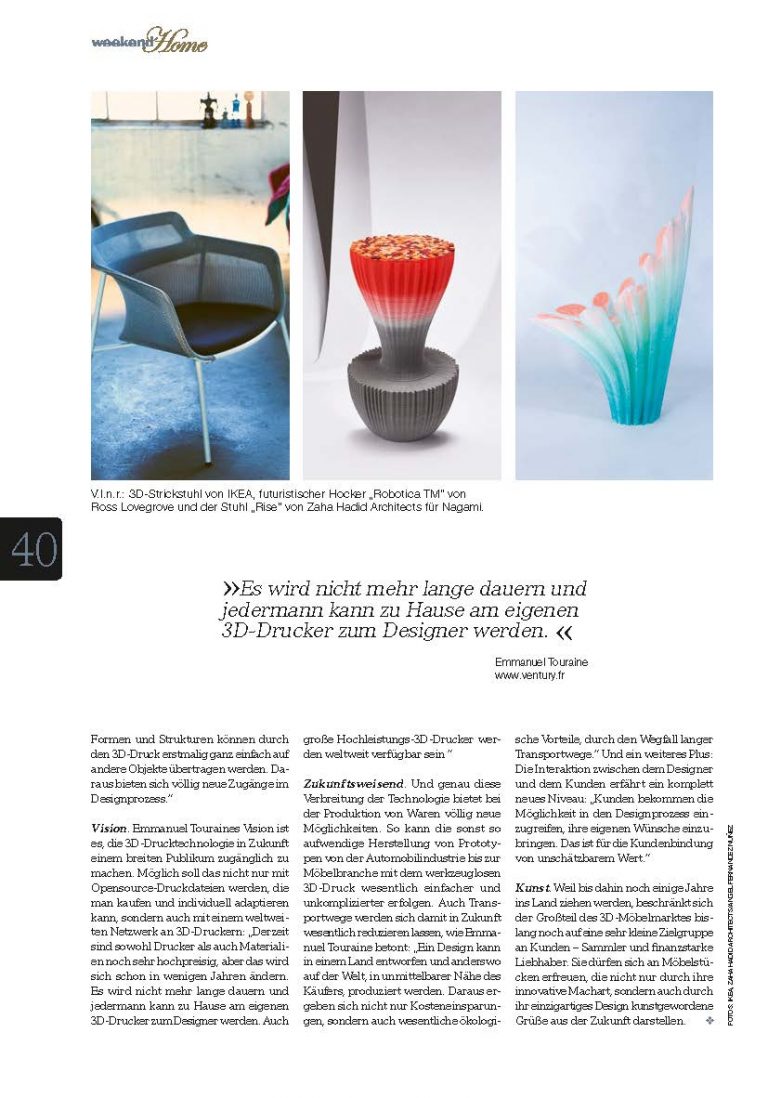
In this article, Sculpteo will show you 3D printed home decor products and furniture created by either large companies such as IKEA or by independent design brands such as Ventury ...
Article on 3D printed furniture, presenting the Gaudi bronze chair by Ventury, made in four main steps: Printing sand molds, casting the parts, assembly and the finishes. Its design is an organic pattern inspired by nature.
As part of his research into parametric design, Emmanuel Touraine paid tribute to Verner Panton by reinterpreting his iconic Panton chair, leaving only its skeleton visible
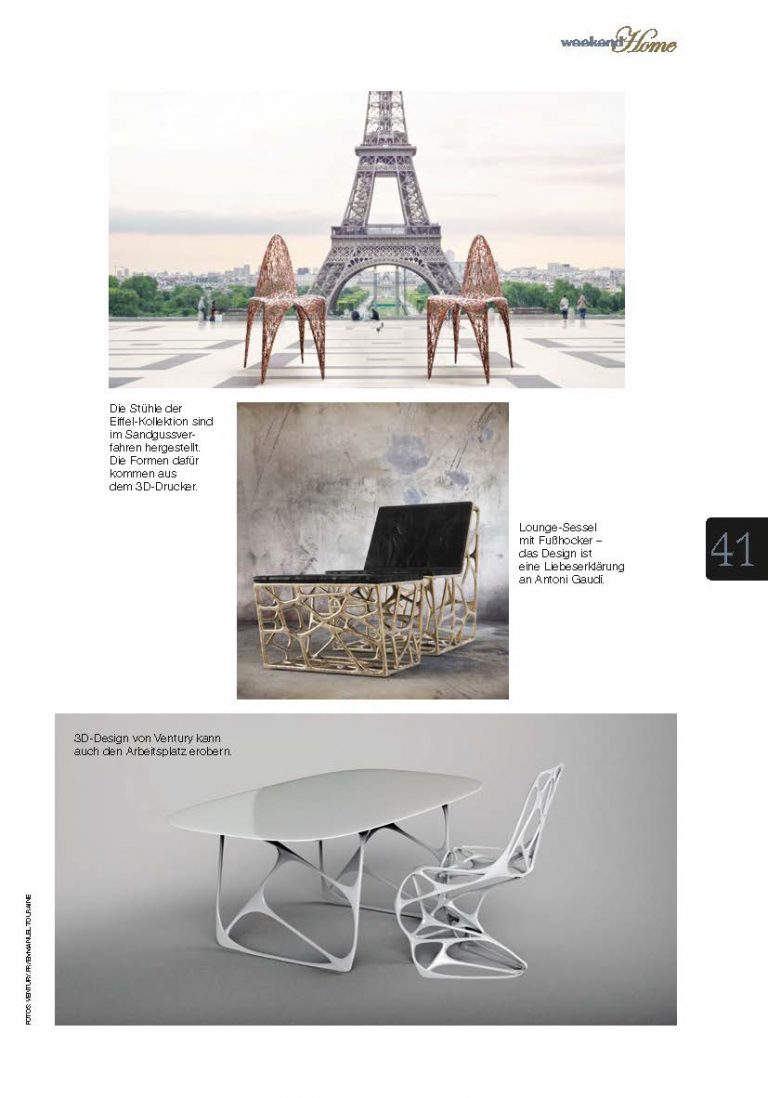
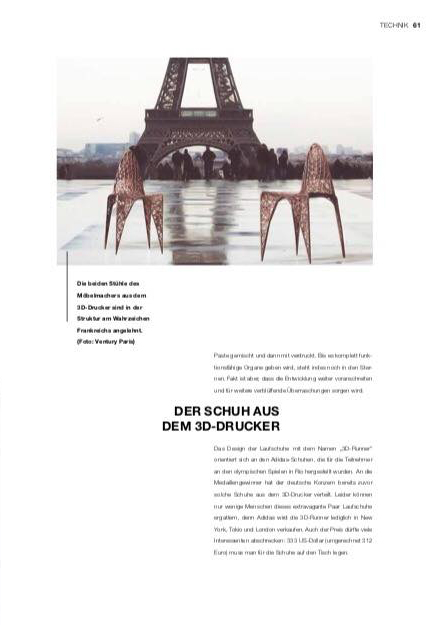
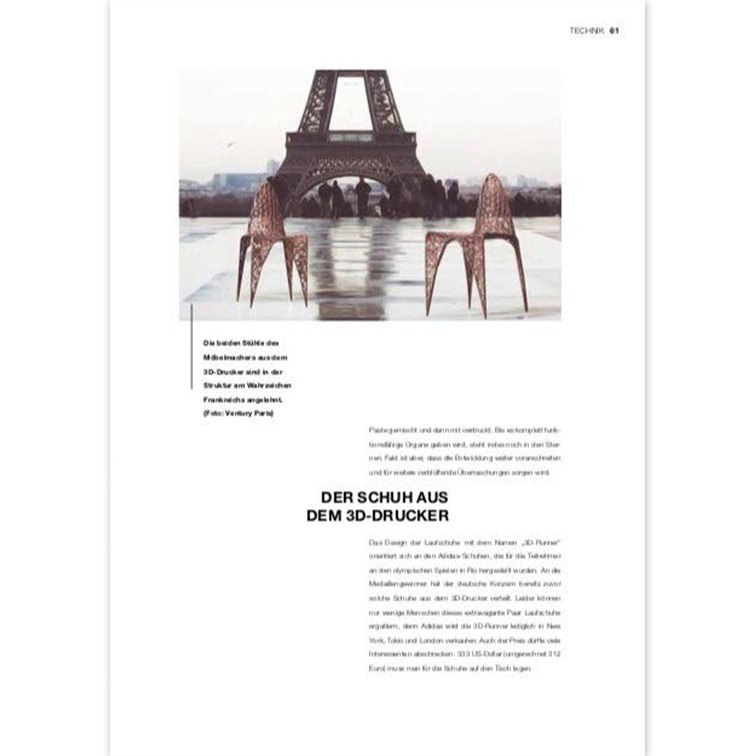
Ventury is a France-based 3D printed furniture design firm that offers the most designer 3D printed creations on the market. One such design is an Eiffel chair.
Looking like a perfect representation of the iconic landmark, thanks to a similar pattern, Eiffel makes for a personal beautiful home accent that no other 3D printed design could rival.
Imprimer en 3D des meubles ne serait donc pas un défi majeur. Incontestablement pratiques et esthétiques, mais aussi respectueux de l’environnement, les meubles créés grâce à l’impression 3D sont la prochaine étape de la décoration d’intérieur ! (Cet article présente plusieurs créations de Ventury )
Article on 3D printed furniture, presenting the Gaudi bronze chair by Ventury, made in four main steps: Printing sand molds, casting the parts, assembly and finishing. Its design is an organic pattern inspired by nature.
Designed by Touraine himself, the chairs, simply called “Eiffel,” can be constructed using stereolithography 3D printing techniques, which allow for the intricate architecturally complicated designs. If Stephen Sauvestre, the lead architect for Gustave Eiffel’s company, who erected the famous tower, were to design and construct a chairs, these chairs seemingly would it be it. Of course, back in 1889 there wasn’t even a concept for a 3D printer, nor a computer to run it...
An excellent book by J. Paulo Davim on additive and subtractive manufacturing as emerging technologies highlights the work of Emmanuel Touraine for Ventury to illustrate what can be achieved in jewellery and furniture using 3D printing to make moulds for casting
Article from the webzine "Interesting Engineering" which highlights two Ventury creations designed by Emmanuel Touraine using generative design tools, the Gaudi desk and Skeleton reinterpretation of the famous Panton chair.
As part of his research into parametric design, Emmanuel Touraine paid tribute to Verner Panton by reinterpreting his iconic Panton chair, leaving only its skeleton visible
Article on 3D printed furniture, presenting the Gaudi bronze chair by Ventury, made in four main steps: Printing sand molds, casting the parts, assembly and finishing. Its design is an organic pattern inspired by nature.
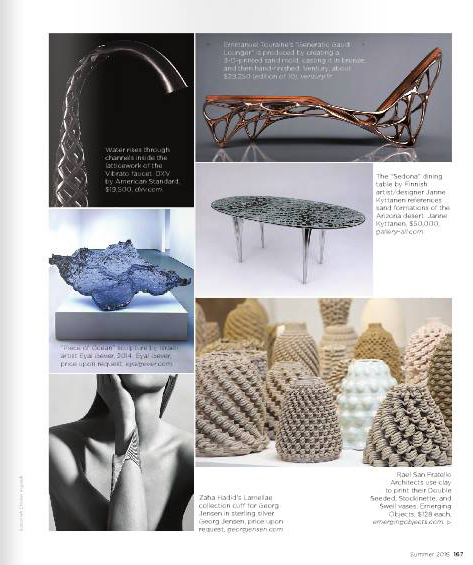
As 3D printing’s popularity grows, one of the new areas that it has opened up—generative design—has become a hot topic. Are its benefits to product design and engineering as prevalent as we’re told? We define generative design, consider the industrial implications, and ultimately consider this question. (This article is featuring Ventury's generative lounge chair designed by Emmanuel Touraine)
Here is a retrospective of a few of our favorite designs, which happen to use animal inspired textures to make their modeled prints really stand out and come alive; each possessing a level of detail and quality new to be expected of products of their kind. We think these few are exceptional, and we've also added some textile designs and fine art that we would love to see emulated on a 3D modeled product in due time!
Meble zdecydowanie nie są tą kategorią przedmiotów, która przychodzi nam do głowy, gdy myślimy o kolejnej rzeczy, którą wydrukujemy w 3D. Ograniczeniem nie są tu jednak możliwości tej technologii, ale pieniądze. Jeśli jednak nie wiesz, co z nimi robić, możesz spokojnie pogrążyć się w rozmyślaniach nad umeblowaniem domu przy pomocy drukowanych sprzętów. Potrzebna będzie ci też nieco większa drukarka niż biurowa. No chyba, że planujesz stworzenie fotela dla, dajmy na to, tchórzofretki.